At Reveal Vitality & Longevity Institute, cryotherapy is one of our most recommended lifestyle practices — accessible, fast-acting, and backed by a growing body of clinical evidence. This guide explains everything you need to know to get started safely and intelligently.
THE CORE PRINCIPLE
Why Your Body Thrives on Controlled Cold Stress
The Strength Training Analogy 💪
When you lift weights, you deliberately stress your muscles — creating microscopic damage that your body repairs stronger than before. Cold works through the same principle, called hormesis: a controlled, brief exposure to a stressor that activates your body’s repair and resilience systems far beyond what the stressor itself would suggest. Cold challenges your immune system, metabolism, nervous system, and cellular machinery. Done consistently, it makes you more biologically robust in ways that compound year after year.
This is why cultures that regularly expose themselves to cold — Finns, Scandinavians, Japanese practitioners of Misogi — tend to show remarkable resilience, cardiovascular health, and longevity. The cold isn’t just uncomfortable. It’s teaching your biology to be stronger.
In 2023, scientists at Nature Aging published a landmark study showing that cold temperature directly activates protein quality control systems in cells — the same cleanup machinery that breaks down the misfolded proteins linked to Alzheimer’s and Parkinson’s disease. This finding positioned deliberate cold exposure as a potentially direct tool against neurodegeneration — not just a wellness preference.THE NEUROCHEMISTRY OF COLD
Why You Feel Amazing After a Cold Plunge
Within seconds of entering cold water, your brain releases a powerful cascade of neurochemicals — the same molecules that govern your focus, mood, motivation, and pain tolerance. This is not placebo. It’s measurable, reproducible science.
- Norepinephrine +530% — Alertness, focus, inflammation control, fat metabolism
- Dopamine +250% — Motivation, mood, sustained energy for 2–3 hours
- Endorphins ↑↑ — Natural pain relief, post-cold euphoria, calm
- Serotonin ↑ — Mood stabilization, antidepressant effects
The dopamine elevation from cold water immersion is sustained — lasting 2–3 hours after you step out. This explains the post-cold clarity and drive that regular practitioners describe. It’s not just a cold rush. It’s a neurochemical shift that meaningfully improves your mental state for hours — without caffeine, without medication, and without side effects.
Clinical research has studied cold exposure as an adjunct treatment for depression and anxiety, with early results showing that the combination of norepinephrine surge, serotonin modulation, and HPA axis recalibration produces effects comparable in some ways to antidepressant medications — without the side effect profile.
+530%
Norepinephrine Rise
After cold water immersion at 10–15°C
11
Randomized Trials
Confirmed WBC reduces inflammation (2025 meta-analysis)
350%
Metabolic Rate Boost
Acute increase in cold water immersion studies
What Cryotherapy Actually Does for Your Body
🔥 Reduces Chronic Inflammation
A 2025 meta-analysis of 11 randomized controlled trials found that whole-body cryotherapy reduces pro-inflammatory cytokines (IL-1β) while increasing anti-inflammatory ones (IL-10). Chronic inflammation is the silent driver of heart disease, cancer, diabetes, and accelerated brain aging — cold directly counters it.
🍂 Activates Your Metabolic Furnace
Cold activates brown adipose tissue (BAT) — a special fat that burns calories to generate heat rather than storing them. BAT activation improves insulin sensitivity, blood sugar control, and produces adiponectin, a hormone linked to metabolic health and longevity. This is your inner calorie-burning engine, switched on by cold.
💪 Speeds Exercise Recovery
Cold therapy after exercise reduces muscle soreness, clears inflammatory waste products, and restores neuromuscular performance. Network meta-analyses of 55+ trials confirm these benefits — meaning you can train more frequently, recover faster, and compound the longevity benefits of consistent exercise over decades.
🧠 Protects Your Brain Cells
Cold activates proteasomes — the cellular machinery that identifies and destroys misfolded proteins like amyloid-β and tau (hallmarks of Alzheimer’s disease) and α-synuclein (Parkinson’s). Regular cold exposure may directly combat the protein accumulation that defines neurodegenerative aging.
😴 Deepens Your Sleep
Repeated cold exposure increases slow-wave sleep — the deepest, most restorative phase — where growth hormone is secreted, memories are consolidated, and the brain’s waste-clearance system (the glymphatic system) does its nightly housekeeping. Better sleep means slower aging at every biological level.
🤸 Builds Stress Resilience
Choosing discomfort deliberately in a safe, controlled environment literally retrains your nervous system’s stress response. Over time, patients report lower baseline anxiety, better emotional regulation, and a noticeably higher threshold for life’s daily stressors. Cold is nervous system training.
WHOLE-BODY CRYOTHERAPY VS. COLD WATER IMMERSION
Understanding Your Options
There are several ways to experience the benefits of cold exposure — each with distinct characteristics, comfort levels, and clinical evidence profiles. Here’s how to think about them:
| Modality | Temperature | Duration | Best For |
|---|---|---|---|
| Whole-Body Cryotherapy (WBC) | −90°C to −140°C | 2–3 minutes | Inflammation, catecholamine surge, rheumatological conditions, comfort seekers — more tolerable than cold water despite lower temps |
| Cold Water Immersion (Plunge) | 10–15°C (50–59°F) | 2–10 minutes | Brown fat activation, exercise recovery, norepinephrine/dopamine boost, sleep improvement, full-body metabolic effect |
| Cold Shower Protocol | 10–20°C | 30 sec – 3 min (cold phase) | Daily accessible entry point, mood, autonomic tone — the easiest way to start building a cold practice today |
| Partial-Body Cryotherapy | −30°C to −60°C | 2–4 minutes | Localized joint or tissue treatment, post-surgical recovery, targeted pain management |
WBC and cold water immersion differ in the sensation but converge on many physiological outcomes. WBC’s dry, ultra-cold air actually feels more tolerable to many people than cold water — the body’s perception of cold is very different in air versus liquid. Cold water immersion provides fuller body contact and may produce more robust BAT activation and cardiovascular conditioning. For most longevity patients, both have a place.
GETTING STARTED SAFELY
A Step-by-Step Approach for Beginners
1. Start with Cold Showers Today
You don’t need equipment or a membership to begin. End your regular shower with 30–60 seconds of the coldest water available. The discomfort decreases significantly within 1–2 weeks of consistent practice. Build to 2–3 minutes over 3–4 weeks.
2. Progress to Cold Water Immersion
A cold plunge tub, ice bath, or any vessel at 10–15°C (50–59°F) for 2–5 minutes delivers the full neurochemical and anti-inflammatory benefit. Start at the warmer end (15°C) and work cooler as tolerance builds over weeks.
3. Try Whole-Body Cryotherapy
WBC chambers allow a supervised, standardized cold exposure in 2–3 minutes at extreme temperatures — with the advantage of being surprisingly comfortable for most patients and requiring no undressing below the waist. A great option if cold water feels prohibitive.
4. Aim for 4–5 Sessions Per Week
Research showing hsCRP (inflammation marker) reduction used approximately 6–7 WBC sessions per month. For daily cold showers or plunges, 4–5 sessions per week builds the systemic resilience and metabolic adaptations that matter most long-term.
5. Time It Strategically
Morning cold exposure pairs with your natural cortisol peak, amplifying alertness and metabolic activation. Post-exercise cold (30–60 minutes after training) optimizes recovery without blunting anabolic signals. Evening cold 2–3 hours before sleep can deepen slow-wave sleep via thermoregulatory rebound.
Why I Recommend Cold Therapy — and Who Should Be Cautious
As a board-certified cardiologist, I want to be straightforward about the cardiovascular physiology of cold exposure. Entering cold water or a cryotherapy chamber triggers an acute surge in sympathetic nervous system activity — your heart rate climbs, blood pressure spikes briefly, and peripheral vessels constrict sharply. For a healthy individual, this is entirely benign and even beneficial conditioning. For someone with certain cardiovascular conditions, it requires careful screening first.
If you have a history of heart disease, uncontrolled high blood pressure, Raynaud’s phenomenon, peripheral arterial disease, or cold urticaria, please discuss cold therapy with Dr. Davis before beginning. These conditions don’t automatically exclude you — but they require individualized protocol design to ensure safety. For most otherwise healthy patients seeking longevity optimization, cryotherapy’s safety profile is excellent and the evidence strongly supportive.
From a longevity science perspective, the convergence of anti-inflammatory, metabolic, neurological, and cellular quality-control benefits makes cryotherapy one of the most mechanistically complete wellness practices available. It costs very little, requires minimal time, produces no medications or side effects, and activates evolutionary stress-response pathways that modern comfortable living has systematically removed from our biology.
⚠️ WHO SHOULD SPEAK WITH DR. DAVIS BEFORE STARTING
Raynaud’s phenomenon or cold urticaria (cold allergy) · Uncontrolled hypertension (BP > 180/110) · Recent heart attack or unstable angina · Peripheral arterial disease · Cryoglobulinemia · Pregnancy · Hypothyroidism with cold intolerance · Open wounds or active skin infections at exposure sites. Note also: avoid cold water immersion immediately after heavy resistance training if muscle building is your primary goal — a 30–60 minute gap is recommended.
Ready to Take the Plunge?
Schedule a longevity consultation with Dr. Davis to discuss how cold therapy fits into your personalized health plan — including the right starting point for your physiology and goals.
About the Author
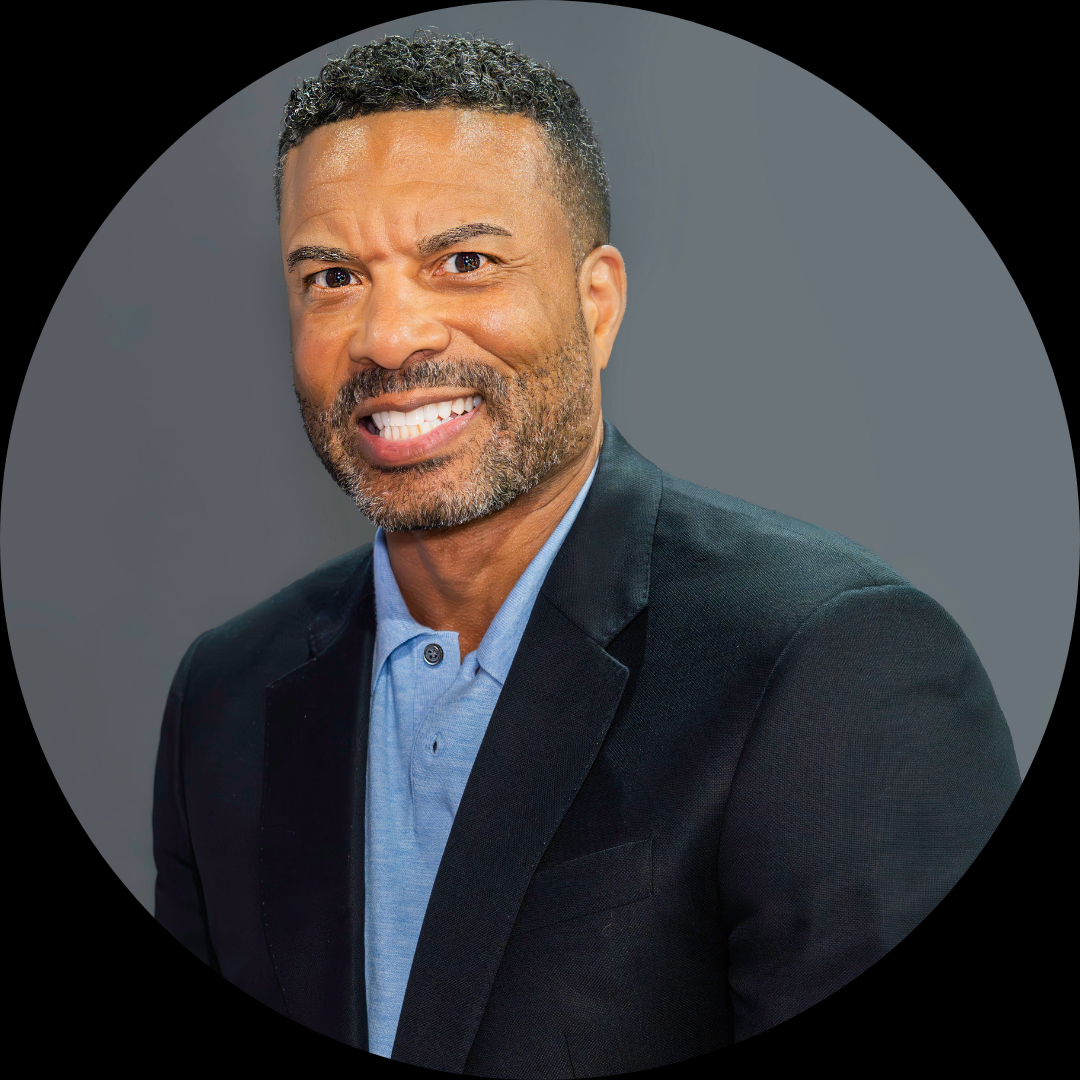
Christopher Davis, MD, FACC
FOUNDER & CEO, REVEAL VITALITY & LONGEVITY INSTITUTE
Dr. Davis is a triple board-certified physician in Internal Medicine, Cardiovascular Disease, and Interventional Cardiology. He is the founder of Reveal Vitality & Longevity Institute in Sarasota, Florida, and Chief Cardiologist at HumanN. His clinical focus is precision cardiometabolic medicine, nitric oxide biology, and evidence-based longevity.